We like to point out that the EalaCreative team might well need to explore a little more the links to botanicals such as juniper! Berries for knowledge is an ancient theme we might discuss elsewhere!
Both our Arctic and Scottish creative industries and cultural economies include long histories and shared connections across brewing and distilling. These sectors offer key shared experiences and exchange of knowledge production in regard of biodiversity, design and quality with the Arctic and circumpolar regions. Biodiversity, sustainability, creativity and social wellbeing are just some of the aspects that offer conections for research and creative practice in regard of our food and drink cultures and economies across Scotland and the Arctic.
Reading Resources:
See especially here on Arctic biodiversity.
See also Relate North publication on Art and Design for Sustainability and Education (2018) (Editors T. Jokela & G. Coutts).
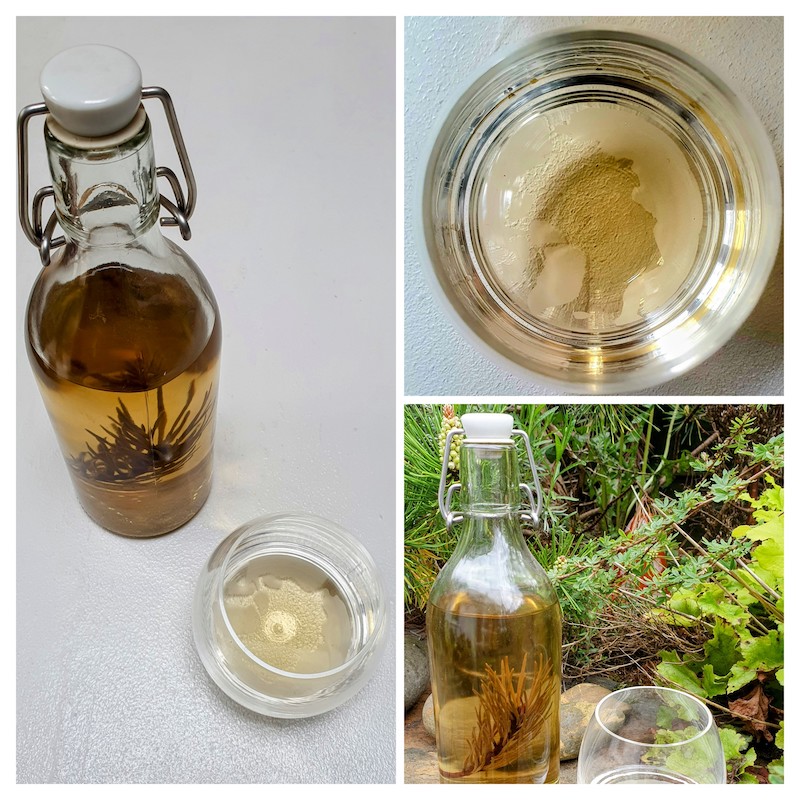
creative practice and landscape taskscape “EALA” gin made with collected pine needles from the Trossachs forest, Scotland and show poured into a ‘circumpolar’ glass, a gift to visiting delegates to a previous Relate North ASAD thematic event held at ULapland.
Image by EalaCreative (CC-BY-SA)
In Finland, for example, although only one species of juniper grows here it is widespread. Juniper is traditionally used in various containers, centrepieces and utility articles as well as medicine. The smoke of juniper and the berries are also used as seasoning. Source: https://puuproffa.fi/

 EalaCreative