With a background in social anthropology, sociology and cultural studies, Kathryn’s research interests include the mediatization and representation of remote and island spaces; identity, ecologies and place narratives of Scotland’s rural communities, coasts and islands; cultural work, precarity and creative enterprise; Scottish cultural heritage and arts contexts including Gaelic and Scots for applied creative practice; sustainable communities, resilience, development, entrepreneurship, cultural policy and the commons in small island, remote, peripheral and rural contexts. Current external activity includes UWS representative on the Arctic Sustainable Arts and Design Network (ASAD); and Kathryn is an organising group member for UK wide MSIG in Participatory and Collaborative Methods. Contact: kathryn.burnett@uws.ac.uk
At EALA we have been learning more and more about how to attribute materials and resources of others and our own. This can be a bit of a thorny process (!) and we soometimes get it wrong but we are working hard to revise and correct it. As we have progressed through our EALA project we have explored the learning, sharing and creating landscape of OER. We have learned together directly from key experts working in the field of learning technology and open education resources both in Scotland and the Arctic and circumpolar region.
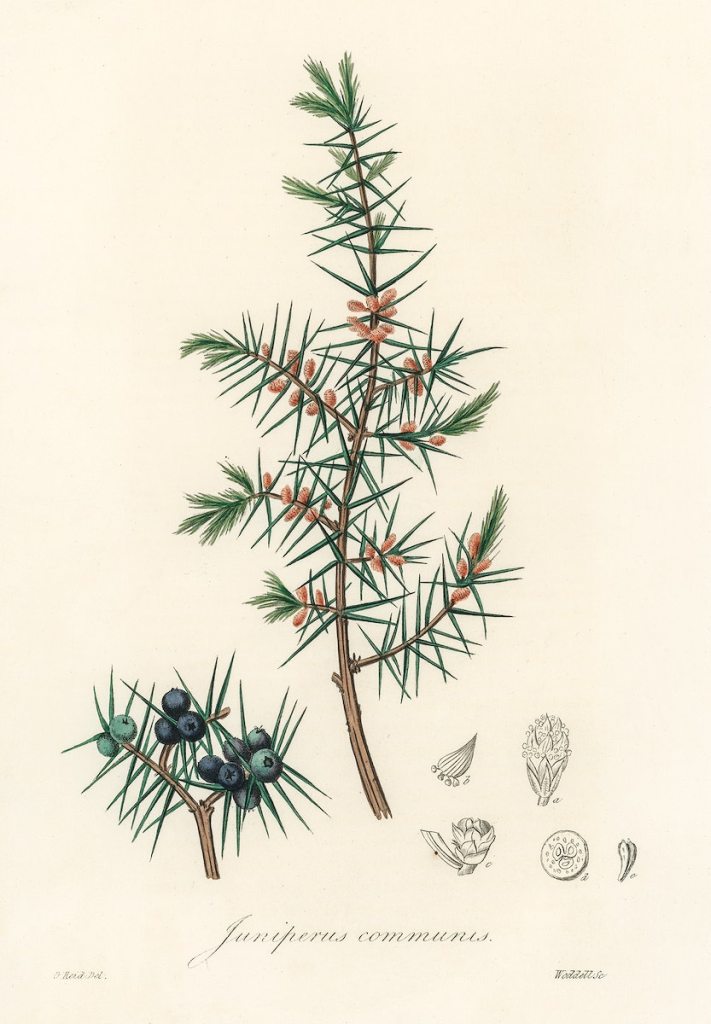
For more information on responsible and respectful wild plant and botanical foraging see here a downloadable guide to this practice by Roddy Maclean that includes both Scots and Gaelic language botanical references at Nature Scot
Nest of a Whooper Swan (Cygnus cygnus) (image “n106_w1150“) by BioDivLibrary is licensed under Public Domain Mark 1.0 at Flickr.
EALA has taken the swan as its motif. The EALA participants explored a number of resources related to swans, and other birds in both Scotland and the Arctic using online resources and digital repositories of images. This image of a nest of a Whooper Swan is from a collection of images held by the Biodiversity Hertiage Library from the book by R.H. Porter (1904) Three summers among the birds of Russian Lapland, London. Source: biodiversitylibrary.org/page/40161711
“Ever since its establishment, environmental protection has been at the core of the work of the Arctic Council. In the Council’s founding document, the Ottawa Declaration, the eight Arctic States affirmed their commitment to protect the Arctic environment and healthy ecosystems, to maintain Arctic biodiversity, to conserve and enable sustainable use of natural resources. It does so through defined actions based on scientific recommendations.”
“Our work contributes to the Scottish Government’s purpose of “creating a more successful country, with opportunities for all of Scotland to flourish, through increasing sustainable economic growth.” NatureScot
Scotland’s natural capital plays an important role in:
supporting economic growth
improving health and well-being
reducing greenhouse gas emissions and helping us to adapt to climate change
strengthening communities
Photo: Wildlife and biodiversity by Scottish Rural Network (CC-BY-SA-2.0) at Flickr Image detail: The image relates to Wildlife and biodiversity Discussion theme at the Scottish National Rural Network regional event in Orkney. The event took place on 28th May 2010 at the St Magnus Centre in Kirkwall. You can find out more about the Rural Network at www.ruralgateway.org.uk.
Welcome to the EALA project ‘blog post’ page. Some of our explorations and OER resources based around our EALA project learning are shared here with links to available materials and downloads. This is a learning space for the EALA team and so we may look to revise, amand and improved our materials and OER elements – learning as we go – so you may see some things (posts, images and other materials) change over time!
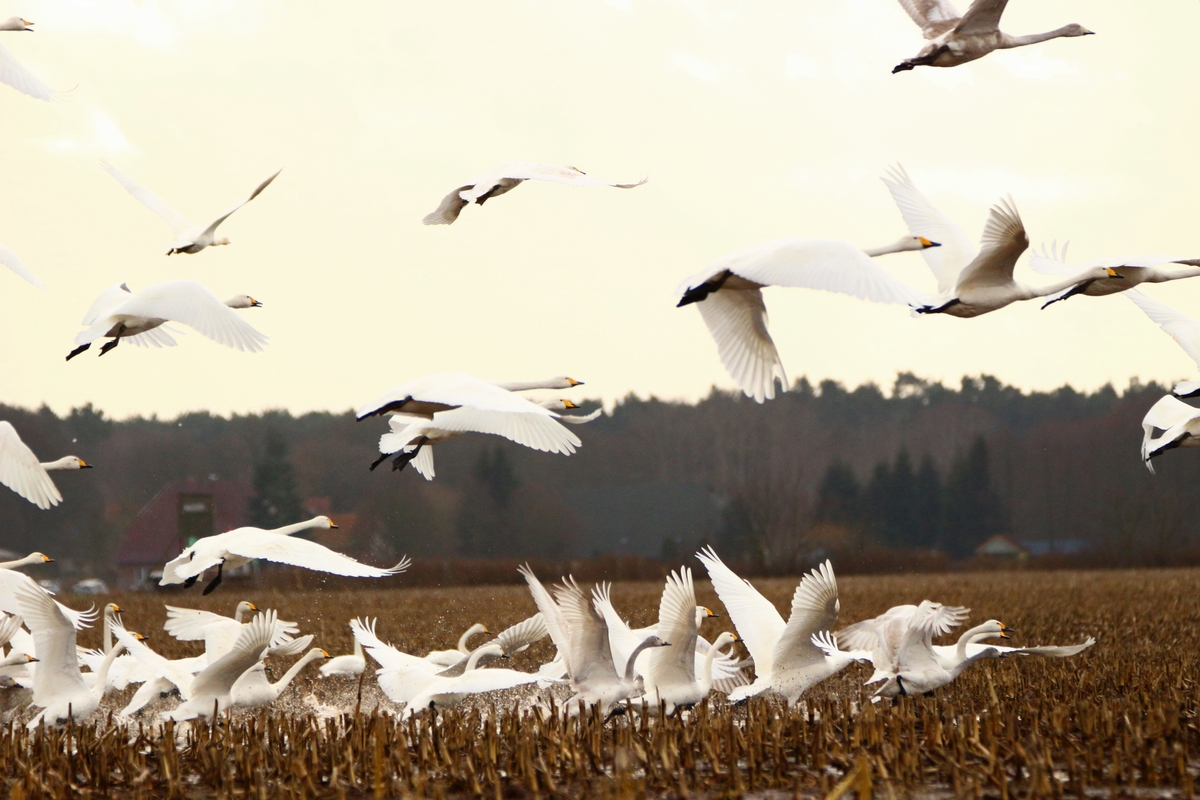
Why EALA ? – Our EALA project has taken its title – and its logo – from the swan. The swan represents Finland’s national bird and our University of Lapland partner as well as the symbolic connection the swan holds in many cultures of ‘the North’ as symbolic of mythical creatures, transformation, and other worlds, not least here in Scotland. In the Gaelic language of Scotland the word for swan is eala. As part of the original idea for the project we wished to select an image that represented ideas of partnership, connection, mobility and the migration of knowledge and understanding. We also wanted to celebrate the ecocultures of place while we explored our Arctic and near Arctic contexts. The UWS (University of the West of Scotland) Ayr Campus is located on the River Ayr and we see swans regularly in the rivers, coasts and lochs nearby. One of the EALA participants is international student Bingrui Sui studying MA Creative Media Practice at UWS who worked to develop our original first draft design to the final EALA logo you can see above. You can read about Bingrui’s reflection on the creation of this resource here.
This EALA learning exchange project (2022-2023) explored Scotland’s links to the Arctic through an OER focus for learning and creativity exchange. OER – open education resource – is a process and ambition to create, curate and circulate materials and artifacts such as images, texts and documents for wider access and sharing. EALA as a title also offers us a simple summary of the project’s frame of reference: Engagement, Alliance and Learning for Arts. Please click on the menu for more information and we look forward to sharing our artefacts and reflections with you.




 EalaCreative