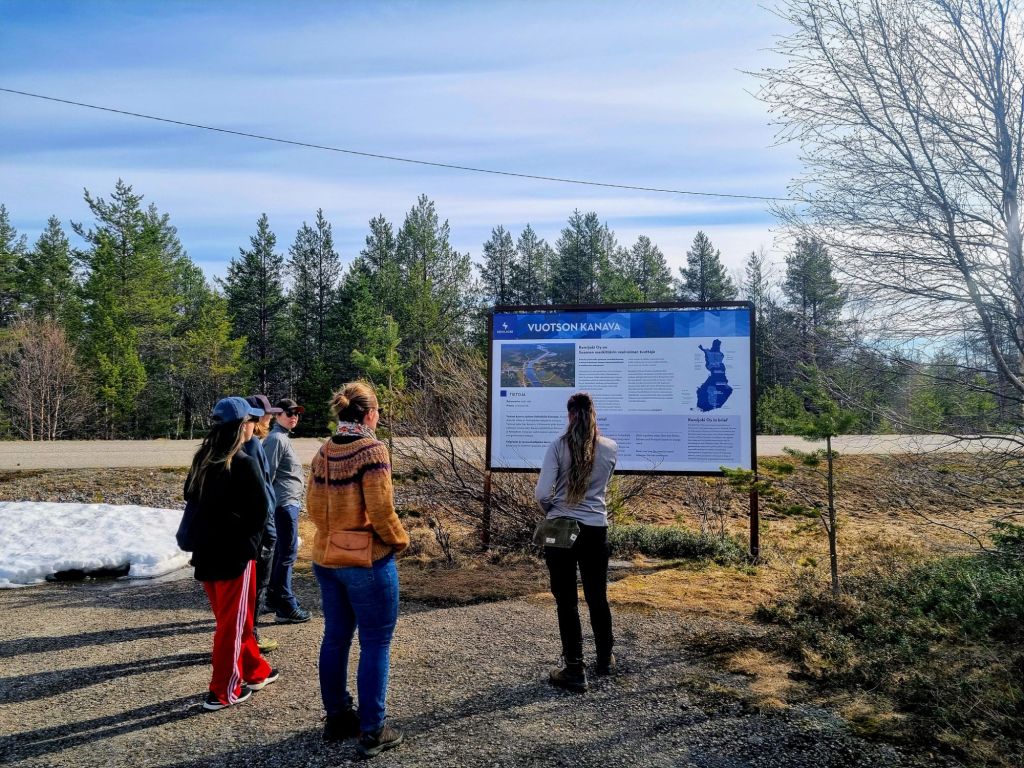
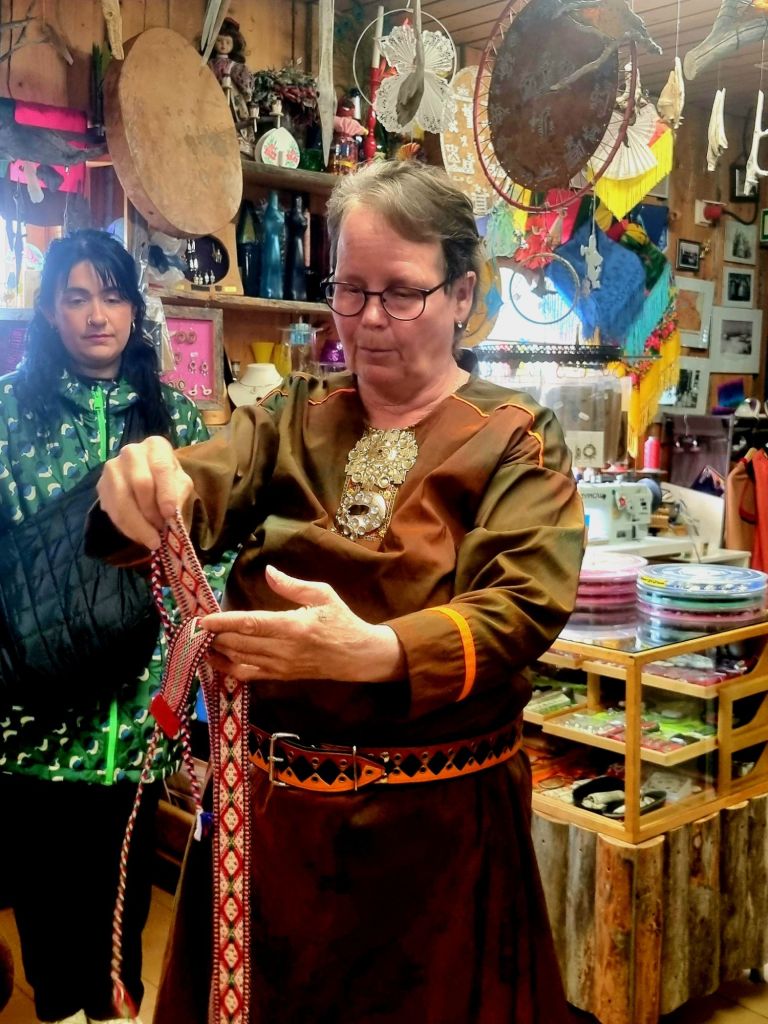
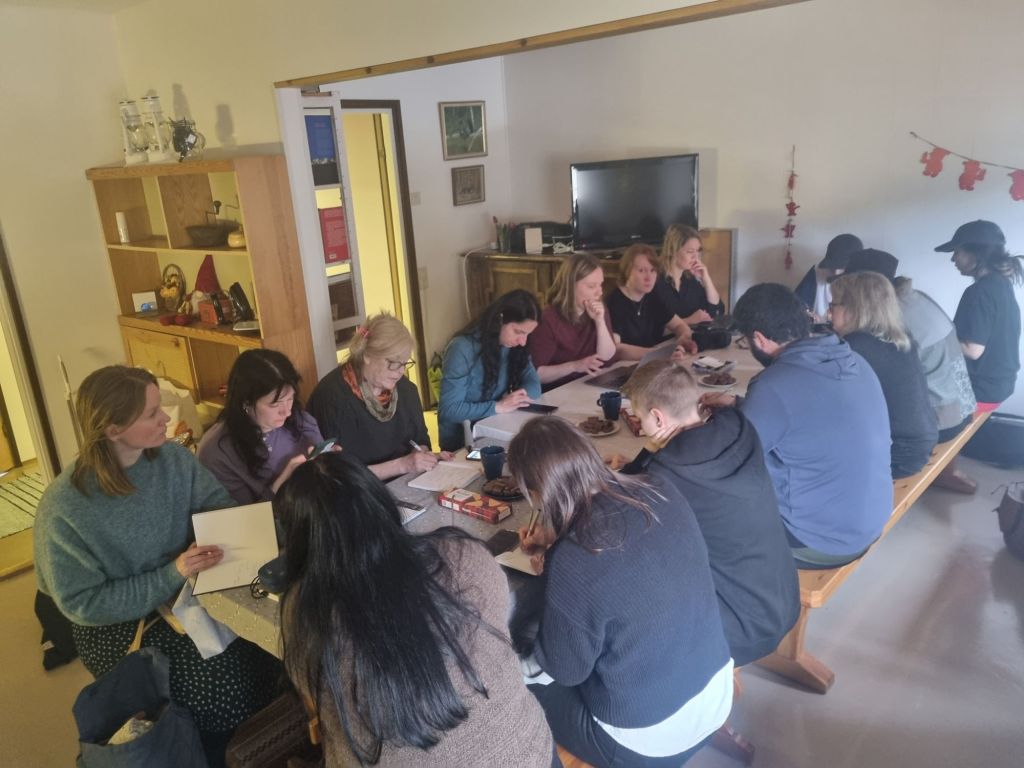
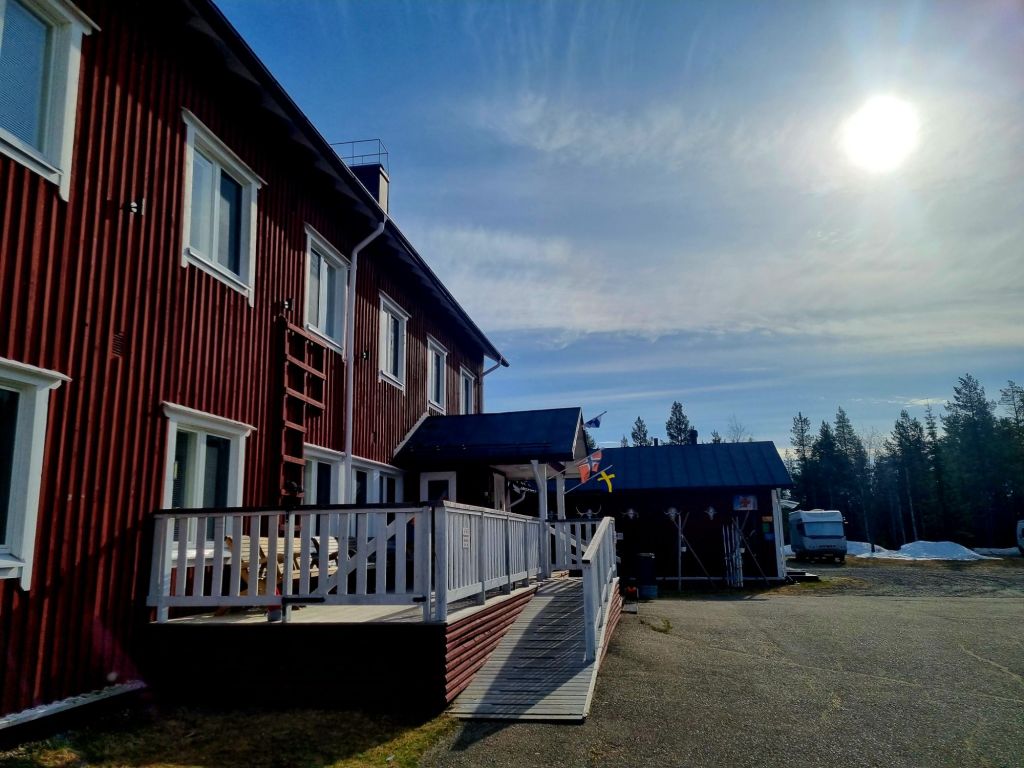
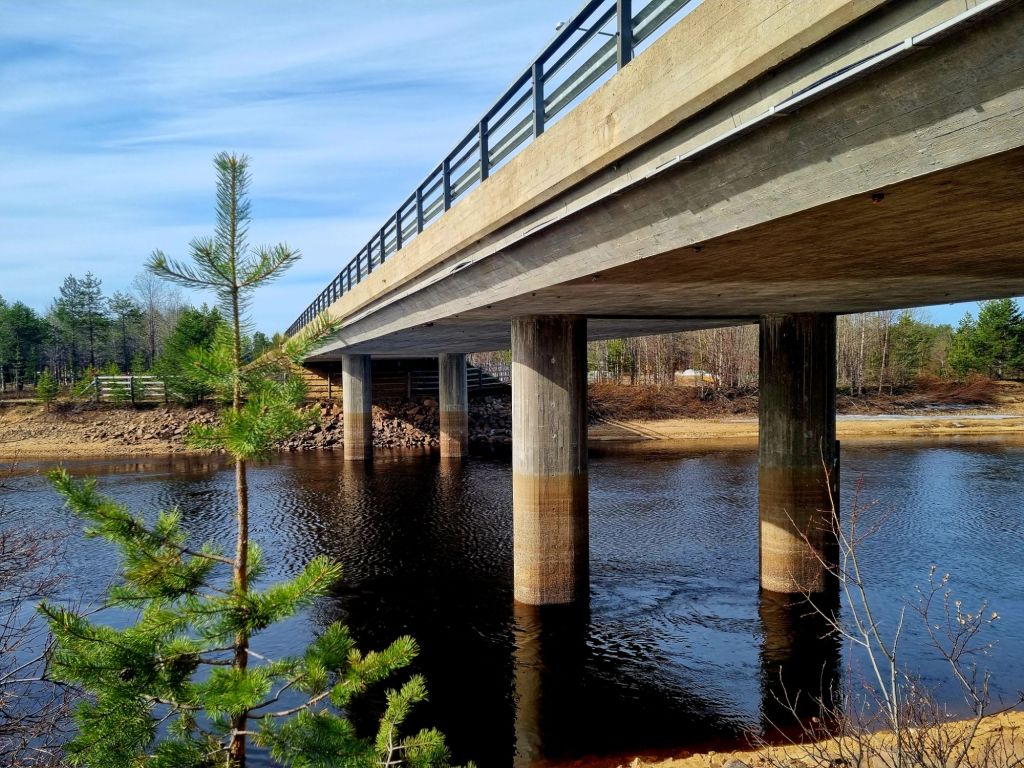
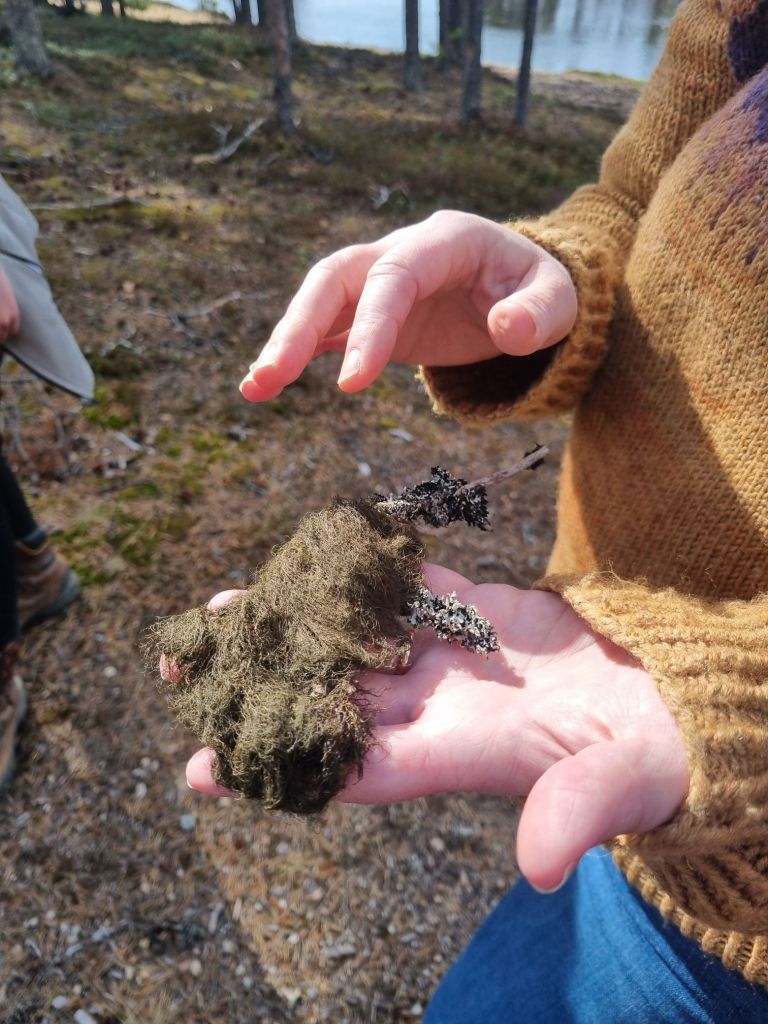
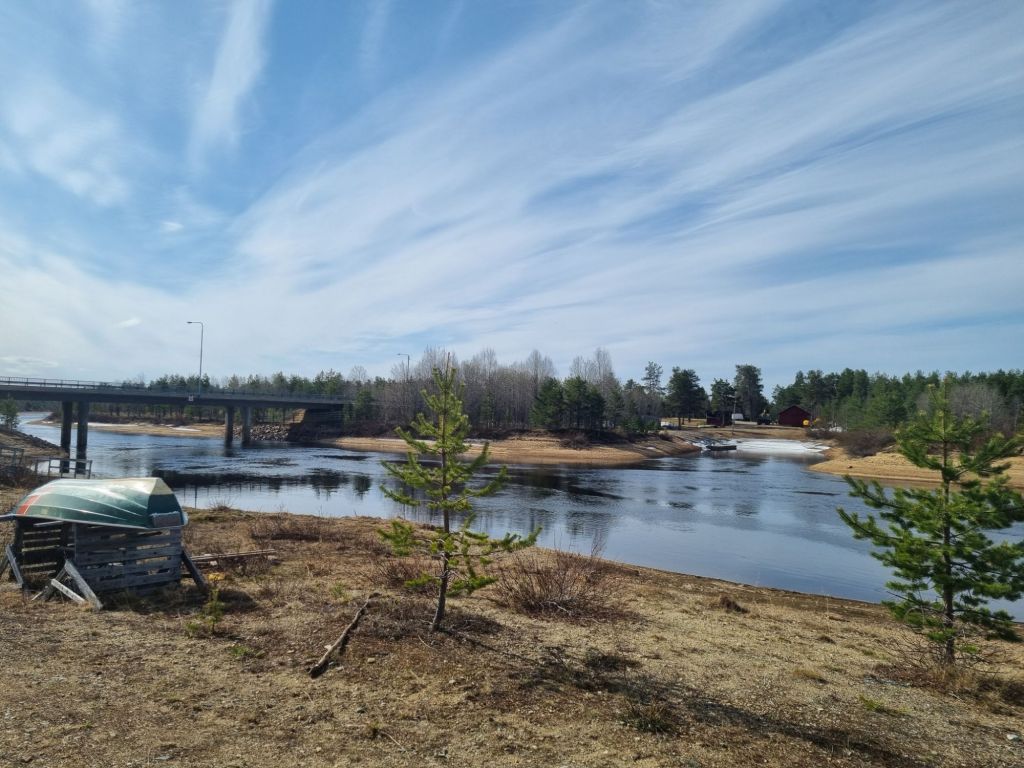
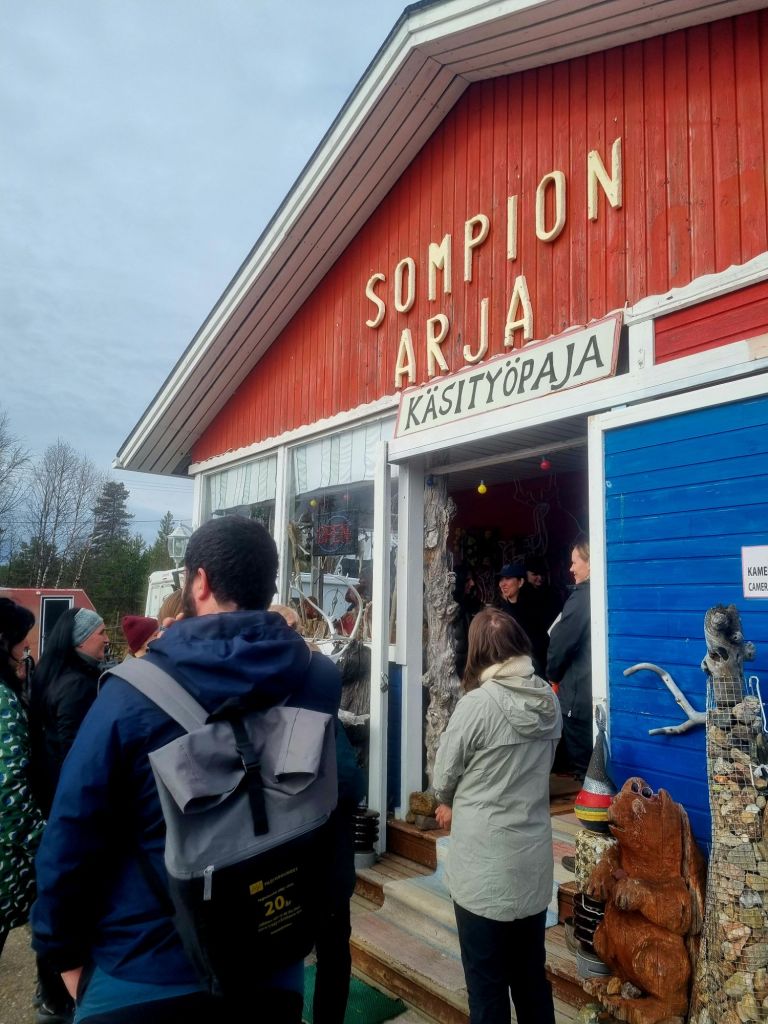
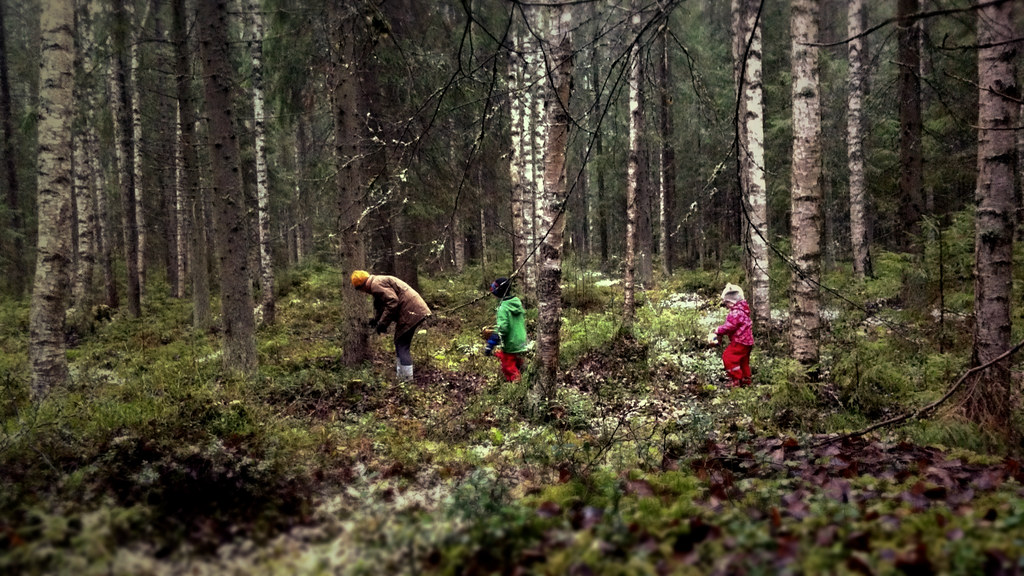
Living in the Landscape (LILA 2024) Methods Summer School at Vuotso, Lapland. Students from across the ASAD network worked on tasks in the landscape focusing on “green energy” across several sites including here at Vuotso, Lapland.
Vuotso Forest CC-BY EalaCreative
Working together for #UWS #EalaCreative Scotland in LILA 2024 Methods Summer School
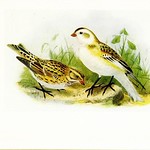
Illustration page showing Lapland Bunting (left) and Snow Bunting (right) Image: n341_w1150Birds of Britain London,A. and C. Black,1907.[etc.]1883-85. by Biodiversity Heritage Library. Public Domain at Flickr
May the 4th (#StarWars Day) 🙂 is usually a day for all things intergalatic but we also like to find about things nearer home, as well as those species that have a shared heritage across the northern regions.
At EalaCreative we are exploring how to work with archives and digital collections as resources for learning and creative inspiration. This image of two ‘bunting’ birds -Snow and Lapland – is from the Biodiversity Heritage Library available online. For some info on Scottish birds see for example the page posted here by The Scottish Ornithologists’ Club (SOC) on snow bunting sightings in Scotland.
In the Cairngorms – a mountainous tundra climate plateau region in Scotland – a number of ‘Arctic’ and -sub-Arctic species are found including the snow bunting. See here for more information on the Norsk Polarinsk resource site where you can listen to the song of the Snow Bunting, Svalbard’s only ‘songbird’.
“The snow bunting is the most northerly passerine bird in the world. It breeds in a circumpolar range, south to Scotland and Iceland, and it is a common breeder in suitable habitats in northern Scandinavia, Greenland, Svalbard, arctic parts of Russia and the northerly parts of North America.”
See also a like below for a Wildlife Photography video available on YouTube of Snow Bunting in the Cairngorms.
“904 views 6 May 2019 4th May Scottish highlands, a couple of days snow brought the Buntings down from the high tops of their breeding grounds, They are a scarce breeding species in the UK, in Scotland around 60 pairs, in winter numbers can be 12,000 birds up and the UK”. “Wildlife Photography Snow Buntings highlands of Scotland”. “
Tuonela – the realm of the dead – is the setting for the Kavela’s mythic hero Lemminkäinen‘s fate. Read more here about this famous Finnish tone poem by Sibelius The Swan of Tunela.
Tuonela. 1934 by Paul Landacre Born: Columbus, Ohio 1893 Died: Los Angeles, California 1963 wood engraving on paper sheet: 16 5/8 x 10 1/2 in. (42.2 x 26.8 cm) Smithsonian American Art Museum Museum Purchase 1982.95.1. “Tuonela” by americanartmuseum is licensed under CC BY-NC-ND 2.0.
You can read much more on this epic tale as the inspiration for Jean Sibelius, – Finland’s famous music composer – composition – the Lemminkäinen Suite – here.
The Kalevala – Finland’s national ‘story epic’ and work by artist Akseli Gallen-Kallela will be forever entwined.
You can read more about these links between ‘ancient stories’ and ‘modern times’ in an essay by Michael Hunt (2019), for the exhibition The Kalavala – In Other Words.
Elsewhere you can read more about “an alternative Kalavela” and research by Juha Pentikäinen, Professor of Modern Ethography at the University of Lapland. Juha Pentikäinen‘s research includes a focus on the deeper shamanic roots of the Kalavela’s folktales. See also here a discussion on the Kalavela’s philosophy, its story roots as ‘deep knowledge’ and links to folk healing.
“Tuonela is described as being at the northernmost part of the world but is sectioned apart from the world of the living by a great divide. In the divide flows the dark river of Tuonela. The river is wild, and the dead can be seen trying to swim across it. The dead must cross the river, either by a thread bridge, swimming, or taking a boat piloted by the daughter of Tuoni.[1] The river is guarded by a black swan that sings death spells.” Source https://en.wikipedia.org/wiki/Tuonela
The Finnish word for swan is joutsen. The word derives from jousi, the Finnish word for arrow.
Celtic Swans and Children of Lir in the Cairngorm National Park
Scottish and Irish mythology – a ‘Celtic mythology’ also features swans and here is a link to the famous Finnish story The Swan of Tuonela (and also a mention of the Irish story ‘The Children of Lir‘) as told by “The Irish in Finland”.
Finally, find a storytelling link here to the Scottish links to this folktale of the swan Children of Lir that includes a link to the history of Insh Church (the chapel of the swans) as told by Scottish musician Hamish Napier. The children turned to swans – as it is told here – flew between Ireland and Scotland for nine hundred years before eventually – on being turned back to their human form – they crumble to dust. Find some more information on Insh Church at the Am Baile Highland archive collections site. The church is near Loch Insh in Badenoch, located in the Cairngorm National Park in Scotland’s highlands. Nearby to the church is Insh Marshes a national nature reserve rich with ecology and wildlife as”one of the most important wetland areas in Europe”.
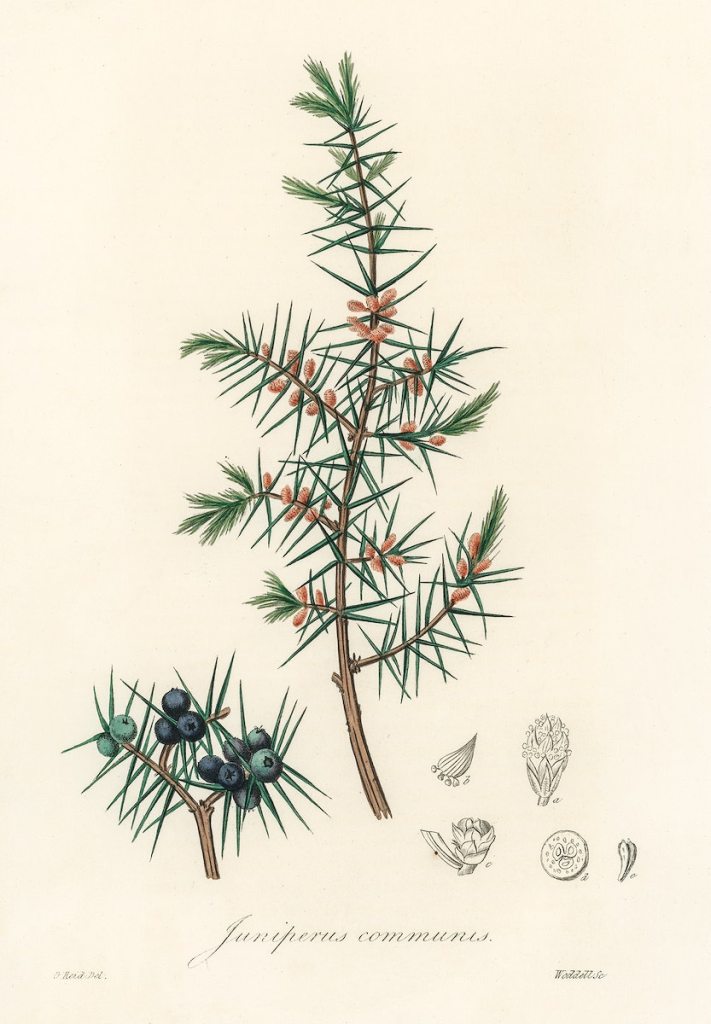
We like to point out that the EalaCreative team might well need to explore a little more the links to botanicals such as juniper! Berries for knowledge is an ancient theme we might discuss elsewhere!
Both our Arctic and Scottish creative industries and cultural economies include long histories and shared connections across brewing and distilling. These sectors offer key shared experiences and exchange of knowledge production in regard of biodiversity, design and quality with the Arctic and circumpolar regions. Biodiversity, sustainability, creativity and social wellbeing are just some of the aspects that offer conections for research and creative practice in regard of our food and drink cultures and economies across Scotland and the Arctic.
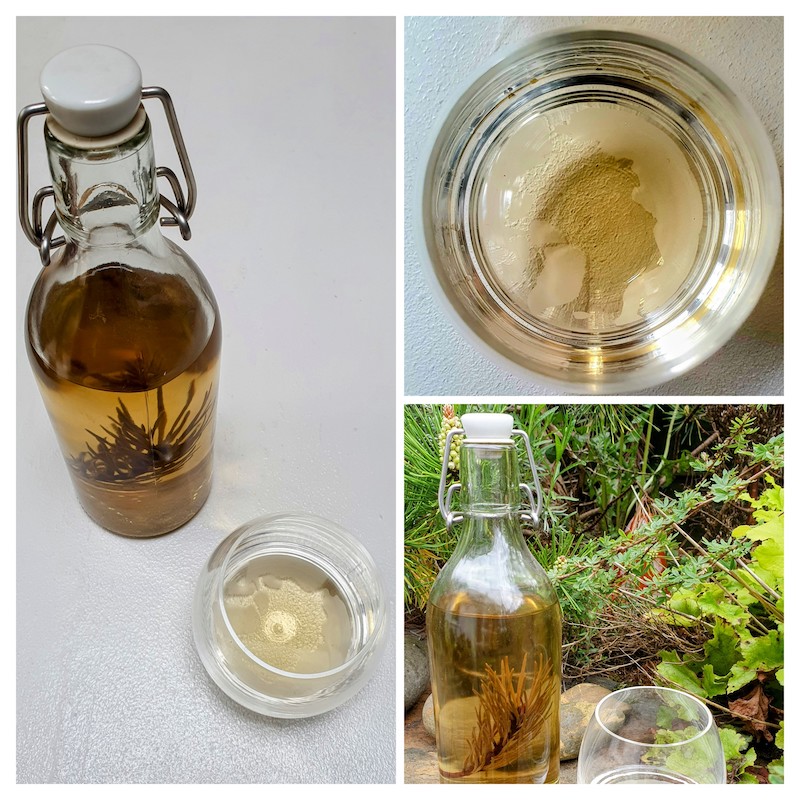
Juniper and Scots Pine Research … #EalaCreative Scotland Arctic Distilled – creative practice and landscape taskscape “EALA” gin made with collected pine needles from the Trossachs forest, Scotland and show poured into a ‘circumpolar’ glass, a gift to visiting delegates to a previous Relate North ASAD thematic event held at ULapland. Image by EalaCreative (CC-BY-SA)
In Finland, for example, although only one species of juniper grows here it is widespread. Juniper is traditionally used in various containers, centrepieces and utility articles as well as medicine. The smoke of juniper and the berries are also used as seasoning. Source: https://puuproffa.fi/
The EALA project is a OER connections project based at the University of the West of Scotland (UWS) and working in creative practice and arts pedagogy partnership with the University of Lapland. The EALA project was funded by the Scottish Government’s Arctic Connections Fund 2022-2023 to explore and expand Scottish and Arctic creative contexts and commons.
EalaCreative – the working group of participants – have used the symbol of the swan – jousten (finnish); eala (scots gaelic) – as a theme for our cultural, environmental and socio-ecological pedegogy focus.
In Finland the swan holds a very special symbolism for the nation and this Tuonela swan myth is explored by the EALA creative project team here.
We have looked west, south and east in our focus on looking north! This post speaks a little more to looking west and the islands of the Outer and Inner Hebrides.
Energy “at the margins” – powercuts! Across the islands of Scotland’s west swans (most usually Mute Swans) are often seen flying high overhead as they migrate but so too they might fly low and occasionally power would be lost (“powercut“) as they might fly into the electricity cables that hung from the wooden poles across the islands’ moorland. In Uist in the Hebrides to the west of Scotland, for example, it might occasionally happen that a “downed” swan might be found dazed and slightly disorientated in the narrow water course channels of the intricate loch and peatland bogs and the land drainage systems. Having hit the wire the swan might rest and recover in these low lying bogs and ditches.
Elsewhere across the cultural history of Scotland and other landscapes and nations the swan is a symbol of life long partnership. Images of swans paired together consumed with their ritual return nesting habitats are common across digital resources and informed our EALA logo design.
Archives and Wildlife Science
In exploring the open accessible resources available online (creative commons) for images of swans at South Uist at Loch Bee we discovered the work of Dr Mary Gillham, a wildlife scientist. An archive project offers her collection of photographs for others to view and re-use and includes many images taken in Scotland, but also in regions such as Antartica:
“Dr Mary Gillham MBE (1921 – 2013) was a pioneering naturalist and prolific wildlife author, who took an active interest in the environment for over 80 years. In 1959 Mary was a member of the first Antarctic expedition to include women scientists,”Dr Mary Gillham Archive Project
Below is just one image from Dr Gillingham’s archive – an image of Loch Bee on South Uist, Outer Hebrides. Although rather difficult to see the swans in the distance (small white dots on the dark blue water) the image offers a sense of the area’s assets low lying natural ecology of the loch, alongside its working landscape that includes crofting (cattle are seen grazing), estate management (loch fishing), and the ‘open skies’ of the islands north Atlantic ‘periphery’ situation for the nearby defence missile testing site (the”rocket range”) Range Hebrides. A view of a rusting oil drum can be seen lying in the peat moorland bog in the foreground.
Cloudberry ground, Flå, Norway by Thor Edvardson (CC-BY-NC-ND -2.0) at Flickr
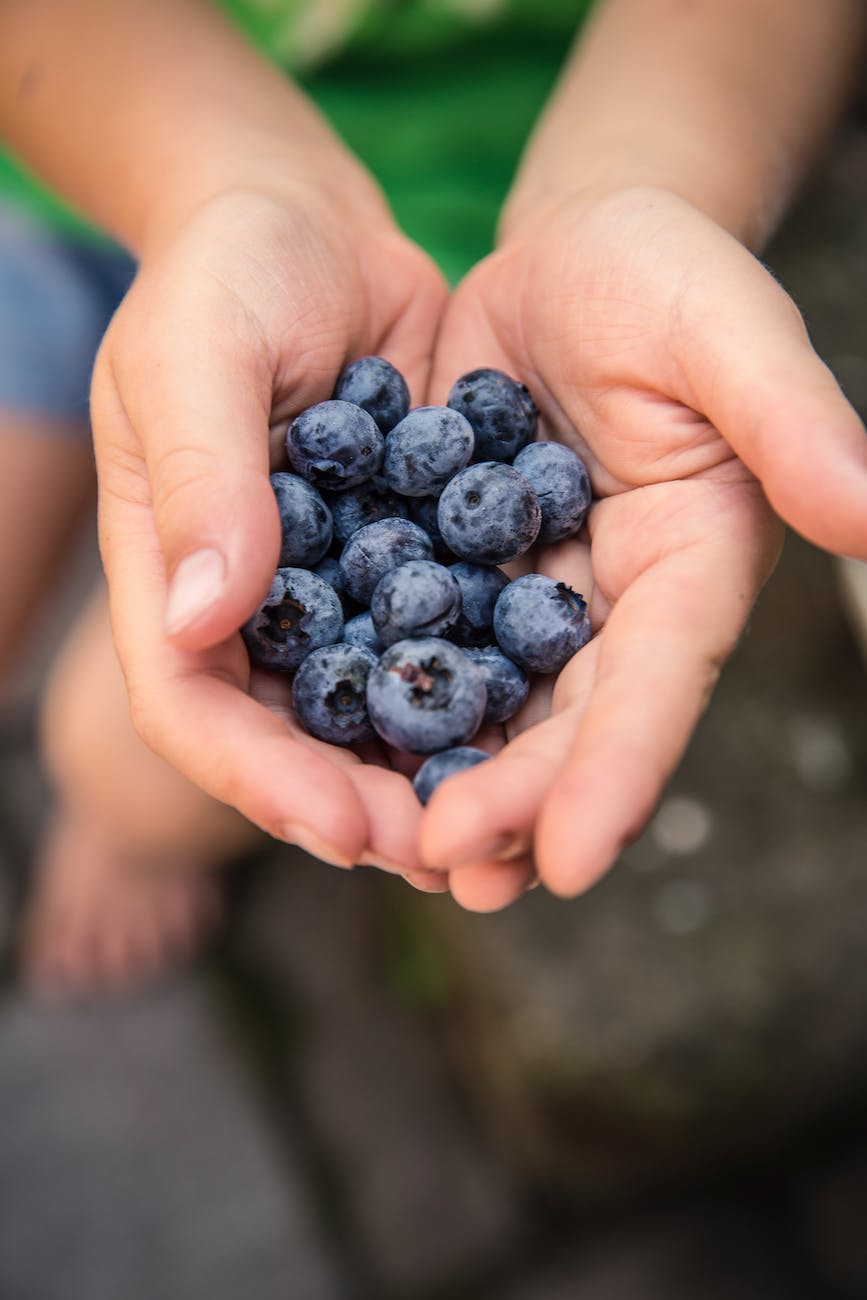
“The bright Northern summer ripens a luscious harvest of berries in the forests and bogs every year, which anyone who spends time in nature can benefit from. Even a relatively poor crop will yield approximately 100 kg, or 20 buckets, of wild berries per person in Finland. Approximately 50 varieties of wild berries grow in Finland, of which 37 are edible. Of these, around 20 varieties are suitable for picking and consumption. The best known and commercially most valuable berries are lingonberries, crowberries, bilberries, cloudberries, raspberries, cranberries and sea buckthorn.”
Watch a video here on the Nordic Diet that speaks of fish, rapeseed oil, oats and berries. Berries are considered to be particularly special – especially linked with various health claims and the maintaining of good health but also potentially impacting on a whole range of illness and disease.
Watch a video here on Finland’s forest and swamp assets and the importance of the berries resource available there.
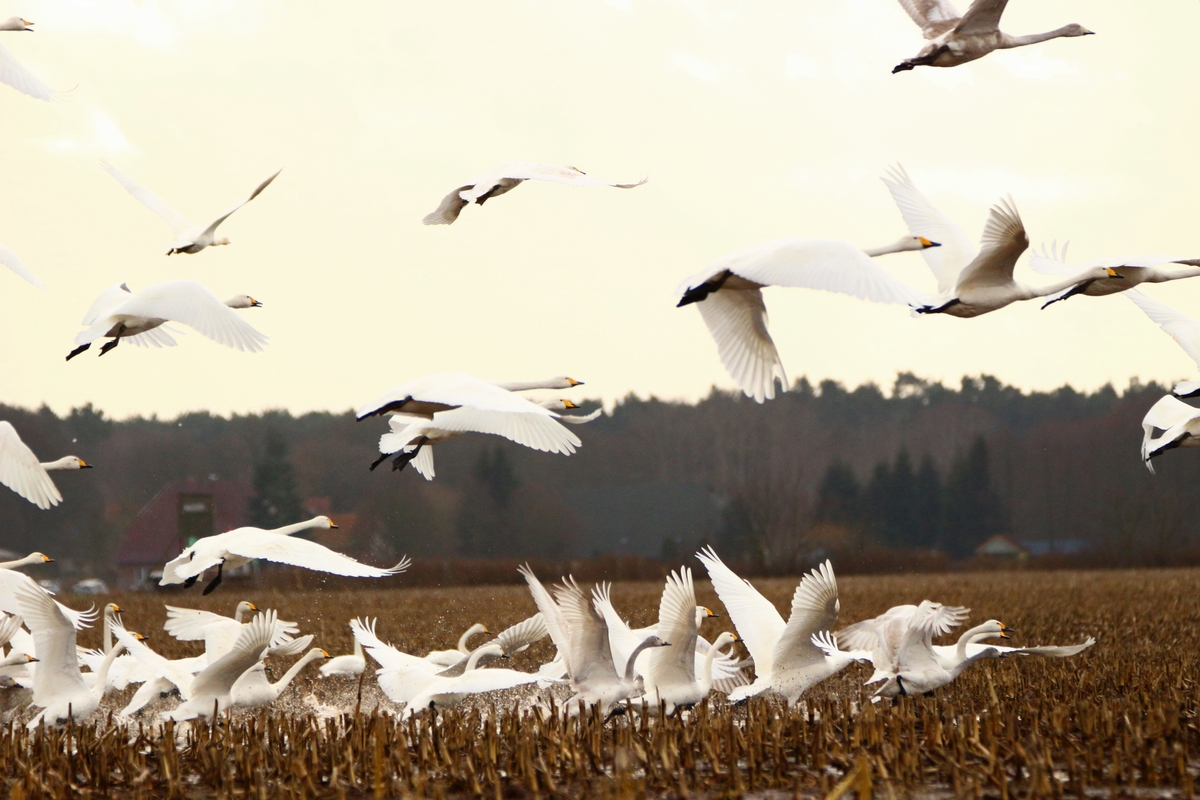
The image above of swans flying over Loch Insh is by the photographer Charlie Marshall. The EalaCreative team selected this striking image as representative not just of the swans who migrate to and from Scotland and circumpolar regions but also in this case, as the photograph is from Loch Insh, to connect here to a particularly special place and landscape – the Cairngorm mountain region in north-east Scotland. This mountainous area, with forests including large tracts of Scotland’s ancient Caledonian woodland, and freshwater lochs of snowmelt, is notable as being an area of mountain plateau of alpine and tundra like climate and ecology, a unique landscape in the whole of the British Isles.
“The Cairngorms provide a unique alpinesemi-tundramoorland habitat, home to many rare plants, birds and animals. Speciality bird species on the plateaux include breeding ptarmigan, dotterel, snow bunting, golden eagle, ring ouzel and red grouse,[6] with snowy owl, twite, purple sandpiper and Lapland bunting seen on occasion.[40] Mammal species include red deer and mountain hare,[6] as well as the only herd of reindeer in the British Isles. They now roam the high Cairngorms, after being reintroduced in 1952 by a Swedish herdsman. The herd is now stable at around 150 individuals, some born in Scotland and some introduced from Sweden; since the individuals depend on humans for food and come from domesticated stock, they are not considered wild.[7]
The Cairngorm area is named after one of its main mountain peaks Cairn Gorm and the wider area most espcially in leisure and tourism terms is more often referred to as ‘The Cairgorms’. The region is now a designated national park (Scotland’s second) and is a Site of Special Scientific Interest (SSSI). More information on this can be found here NatureScot and a detailed summary of this Cairgorms SSSI can be downloaded from the NatureScot site, including the vegetation of alpine moss-heath, sedge and rush vegetation ‘communities’:
“The Cairngorms has the largest tracts in Britain of a range of alpine moss-heath and associated sedge and rush communities developed on base-poor granites and schists and the full range of these communities. The community characterised by three-leaved rush is particularly well developed, with the full range of subtypes varying from those where woolly fringe-moss Racomitrium lanuginosum is co-dominant to open tussocky, lichen-rich areas. Extensive areas of the plateau are dominated by stiff sedge Carex bigellowii and woolly hairmoss, particularly on the western spurs and ridges.”
Co-designing the EALA logo for EALA project by Bingrui Sui CC-BY-2.0 at Flickr
I was very happy when I knew that the shape of the EALA logo I was going to design was to be a swan. In the year or so that I have lived in Ayr, the wildlife I have seen often, and found most memorable, are the swans on the river. They are free to feed and play in the river in groups every day. In creating a graphic for the EALA project – with the name EALA the word for swan in Scottish Gaelic – I was inspired by the birds on the Ayr River, taking time to watch them and to sketch and model the creation of some ideas for an image. In terms of my developing of the initial design by EALA project lead for a swan shape logo, the first thing that came to my mind is the classic version of Swarovski swan logo image. In this logo, the swan wings are made of a bunch of dots, which makes the whole logo very elegant. But I wanted to design the image of the swan as a little more closer to life, and most especially I wanted to reflect the lively and flexible aspect of the swan’s movement. As for the final presentation form of this EALA logo, I choose to use strong lines for the outline. Because the simpler the shape, the easier it is for the viewer to remember. The lines created a sharp yet elegant feeling. In the design of the swan’s body shape, I gave the swan a rich and ‘full’ outline as observing the swans in the Ayr River impressed upon me this sense of fulllness, that they were ‘fat’. Fat is not a bad word, it reflects the swans’ freedom, unfettered, and that their living environment is good. The silhouette of the swan’s tail and wings is the highlight of the logo and the ‘punchline’ of the whole design. When I sourced various logo cases of swans online I found that most of the swan logos are dedicated to showing the posture of swans when they open their wings, depicting the wings of swans straight and high, just like the brilliance of a peacock. I found that swans spread their wings when bathing, fighting, and mating and I was drawn to this and learned much more about the nature of these birds. Working with the EALA lead (Kathryn A. Burnett) in Scotland we spoke about the design concept of our EALA logo and the idea of cultural links and partnership. The two swans being mirrored in the graphic logo represent Scotland and Finland respectively and how we are producing content about both Scotland and the Arctic under the commons of friendly cooperation. I chose the pose of a swan with its wings slightly spread. I like the upward tail of swans very much. The upward tail makes the overall flow shape of swans very smooth, and matches well with the long neck of swans, reflecting the graceful posture of swans. In terms of colour choice, I spoke to Kathryn and we explored both the colours of both Finland and Scotland’s flag. Both have a wonderful blue colour but in the end as I decided to use the blue from the Scottish flag as the outline colour of the swan as I personally now love the blue of the Scottish flag; it is very bright and vibrant. And for the swan’s beak I used orange to style the beak but it also works quite well to distinguish it from the blue, and the swan graphic looks more vivid, and with a more distinctive look.
River Ayr UWS campus landscape By EALA Project CC-BY-2.0 at FlickrBy Bingrui Su, MA Creative Media Practice, University of the West of Scotland
At EALA we have been learning more and more about how to attribute materials and resources of others and our own. This can be a bit of a thorny process (!) and we soometimes get it wrong but we are working hard to revise and correct it. As we have progressed through our EALA project we have explored the learning, sharing and creating landscape of OER. We have learned together directly from key experts working in the field of learning technology and open education resources both in Scotland and the Arctic and circumpolar region.
For more information on responsible and respectful wild plant and botanical foraging see here a downloadable guide to this practice by Roddy Maclean that includes both Scots and Gaelic language botanical references at Nature Scot
Nest of a Whooper Swan (Cygnus cygnus) (image “n106_w1150“) by BioDivLibrary is licensed under Public Domain Mark 1.0 at Flickr.
EALA has taken the swan as its motif. The EALA participants explored a number of resources related to swans, and other birds in both Scotland and the Arctic using online resources and digital repositories of images. This image of a nest of a Whooper Swan is from a collection of images held by the Biodiversity Hertiage Library from the book by R.H. Porter (1904) Three summers among the birds of Russian Lapland, London. Source: biodiversitylibrary.org/page/40161711
“Ever since its establishment, environmental protection has been at the core of the work of the Arctic Council. In the Council’s founding document, the Ottawa Declaration, the eight Arctic States affirmed their commitment to protect the Arctic environment and healthy ecosystems, to maintain Arctic biodiversity, to conserve and enable sustainable use of natural resources. It does so through defined actions based on scientific recommendations.”
“Our work contributes to the Scottish Government’s purpose of “creating a more successful country, with opportunities for all of Scotland to flourish, through increasing sustainable economic growth.” NatureScot
Scotland’s natural capital plays an important role in:
supporting economic growth
improving health and well-being
reducing greenhouse gas emissions and helping us to adapt to climate change
strengthening communities
Photo: Wildlife and biodiversity by Scottish Rural Network (CC-BY-SA-2.0) at Flickr Image detail: The image relates to Wildlife and biodiversity Discussion theme at the Scottish National Rural Network regional event in Orkney. The event took place on 28th May 2010 at the St Magnus Centre in Kirkwall. You can find out more about the Rural Network at www.ruralgateway.org.uk.












 EalaCreative