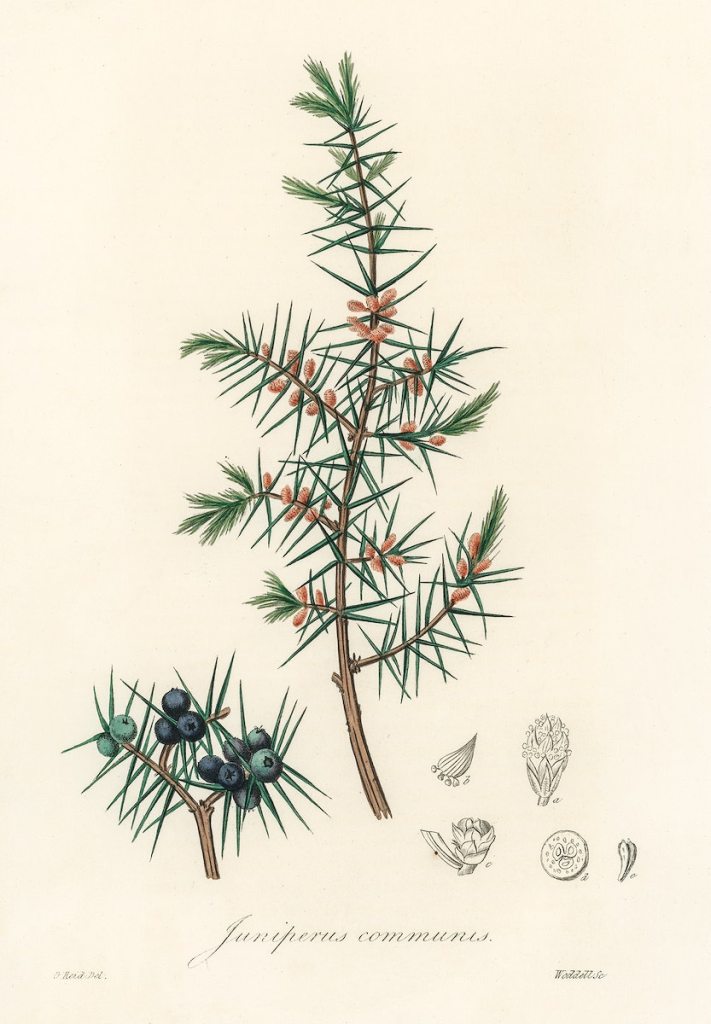
Seeing clearly … distilling ideas and practice

We like to point out that the EalaCreative team might well need to explore a little more the links to botanicals such as juniper! Berries for knowledge is an ancient theme we might discuss elsewhere!

Both our Arctic and Scottish creative industries and cultural economies include long histories and shared connections across brewing and distilling. These sectors offer key shared experiences and exchange of knowledge production in regard of biodiversity, design and quality with the Arctic and circumpolar regions. Biodiversity, sustainability, creativity and social wellbeing are just some of the aspects that offer conections for research and creative practice in regard of our food and drink cultures and economies across Scotland and the Arctic.

Reading Resources:

See especially here on Arctic biodiversity.

See also Relate North publication on Art and Design for Sustainability and Education (2018) (Editors T. Jokela & G. Coutts).
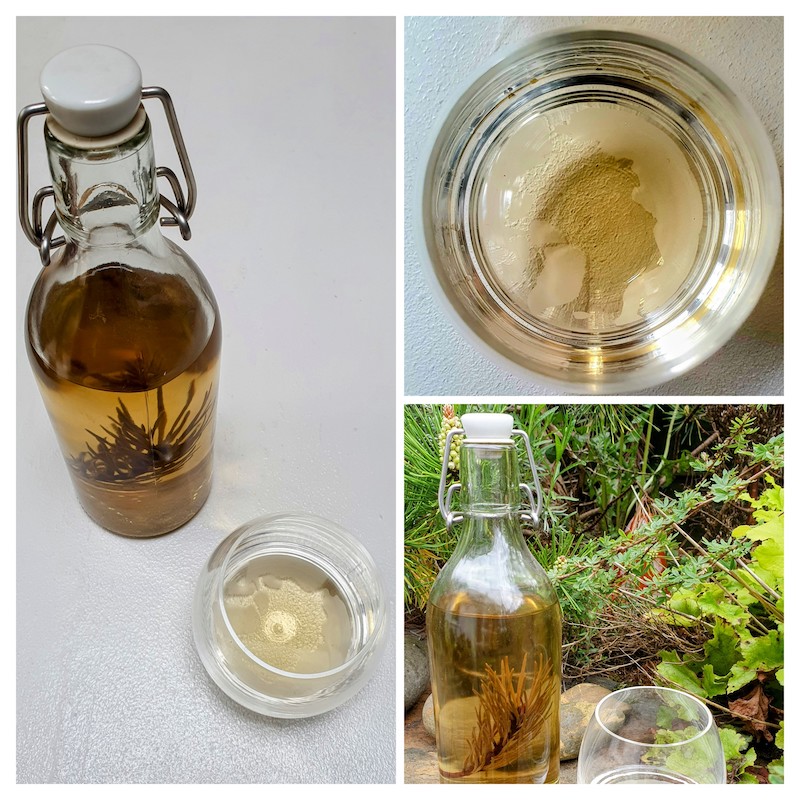
Juniper and Scots Pine Research … #EalaCreative Scotland Arctic Distilled –
creative practice and landscape taskscape “EALA” gin made with collected pine needles from the Trossachs forest, Scotland and show poured into a ‘circumpolar’ glass, a gift to visiting delegates to a previous Relate North ASAD thematic event held at ULapland.
Image by EalaCreative (CC-BY-SA)

In Finland, for example, although only one species of juniper grows here it is widespread. Juniper is traditionally used in various containers, centrepieces and utility articles as well as medicine. The smoke of juniper and the berries are also used as seasoning. Source: https://puuproffa.fi/
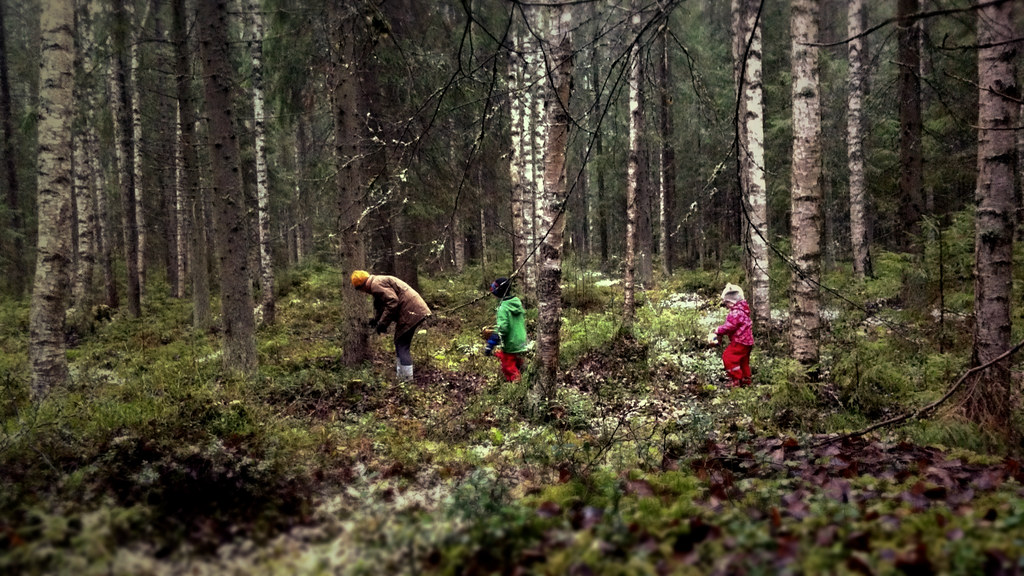
Foraging in the Forest” by Olly F is licensed under CC BY-NC-ND 2.0. at Open Verse

Arctic Flavours: berry good!

Cloudberry ground
Cloudberry ground, Flå, Norway by Thor Edvardson (CC-BY-NC-ND -2.0) at Flickr

“The bright Northern summer ripens a luscious harvest of berries in the forests and bogs every year, which anyone who spends time in nature can benefit from. Even a relatively poor crop will yield approximately 100 kg, or 20 buckets, of wild berries per person in Finland. Approximately 50 varieties of wild berries grow in Finland, of which 37 are edible. Of these, around 20 varieties are suitable for picking and consumption. The best known and commercially most valuable berries are lingonberries, crowberries, bilberries, cloudberries, raspberries, cranberries and sea buckthorn.”

Source: Arctic Flavours Association/ Arktiset Aromit ry  https://www.arktisetaromit.fi/en/berries/

Watch a video here on the Nordic Diet that speaks of fish, rapeseed oil, oats and berries. Berries are considered to be particularly special – especially linked with various health claims and the maintaining of good health but also potentially impacting on a whole range of illness and disease.

Watch a video here on Finland’s forest and swamp assets and the importance of the berries resource available there.

Enbär #Greenland
Enbär #Greenland© alpros Manuela S. Scheuerer (CC BY-NC-ND 2.0) at Flickr

Lawers Range
Blaeberry season…yum, Ben Lawers hill range, Scotland by Jan Zeschky (CC-BY-NC-2.0) at Flickr

Thorny topics? A best guide for attributions of materials for OER.

Common juniper (Juniperus communis) illustration from Medical Botany (1836) by John Stephenson and James Morss Churchill.” is marked with CC0 1.0 at Open Verse

At EALA we have been learning more and more about how to attribute materials and resources of others and our own. This can be a bit of a thorny process (!) and we soometimes get it wrong but we are working hard to revise and correct it. As we have progressed through our EALA project we have explored the learning, sharing and creating landscape of OER. We have learned together directly from key experts working in the field of learning technology and open education resources both in Scotland and the Arctic and circumpolar region.

We have also made good use of the great online materials and guides such as the Creative Commmons ‘best practice’ guide for attribution : https://wiki.creativecommons.org/wiki/best_practices_for_attribution. And we are especially keen to direct interested readers and creative content makers to the UArctic ASAD thematic network resources available for research and learning.

Respectful and Responsible Research -Foraging for Wild Plants

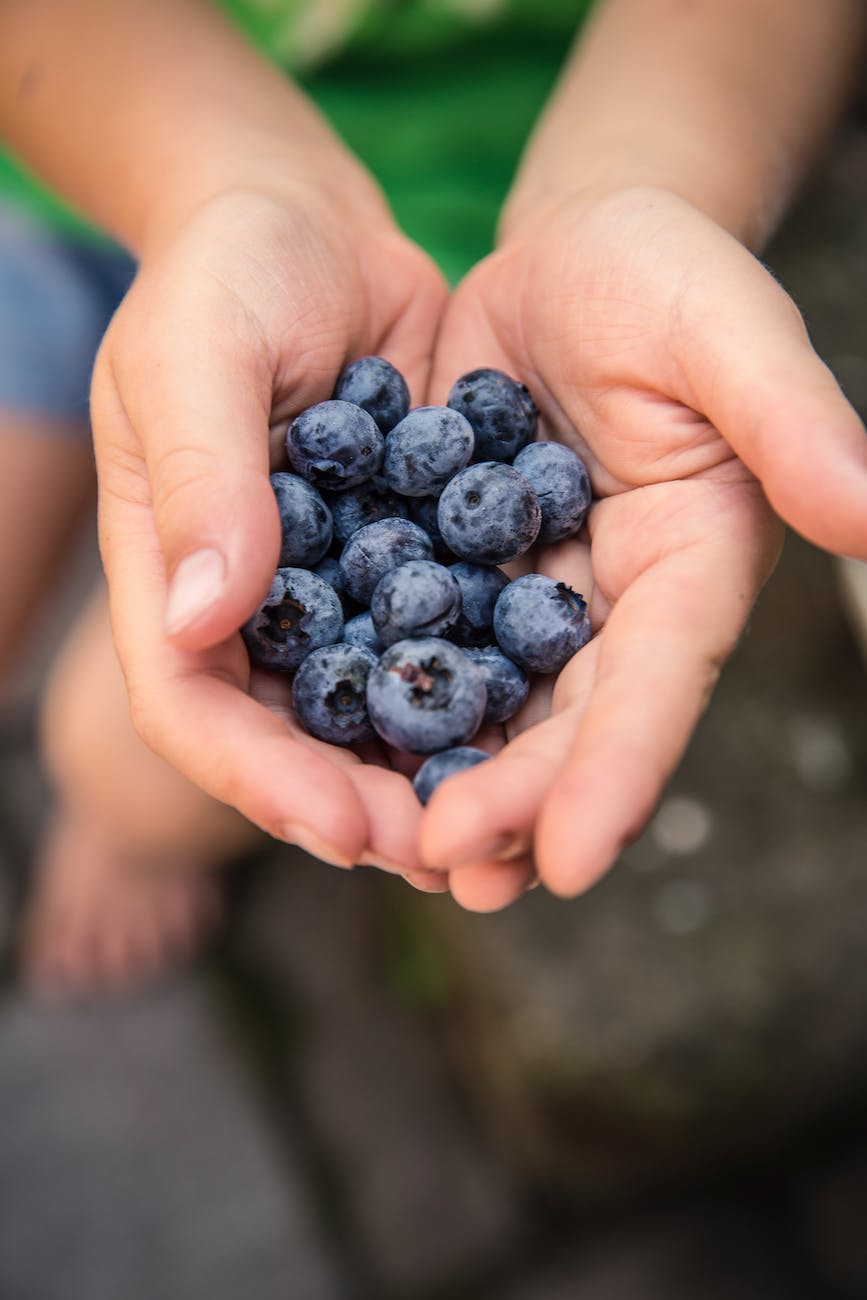
Photo by eberhard grossgasteiger on Pexels.com

For more information on responsible and respectful wild plant and botanical foraging see here a downloadable guide to this practice by Roddy Maclean that includes both Scots and Gaelic language botanical references at Nature Scot