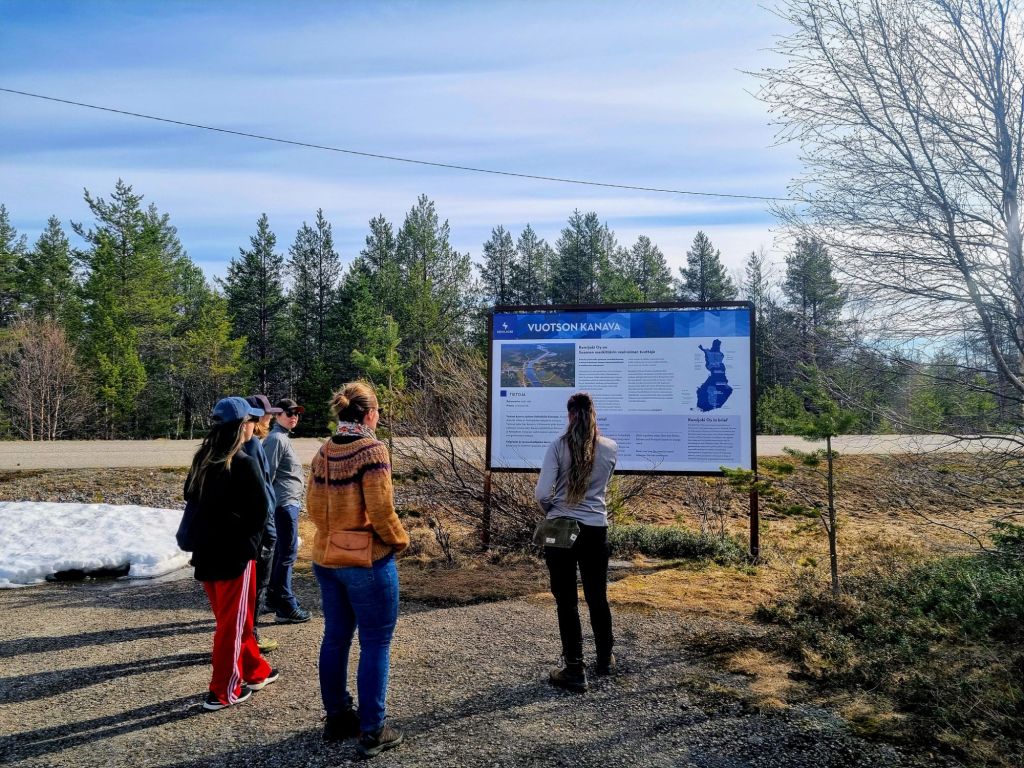
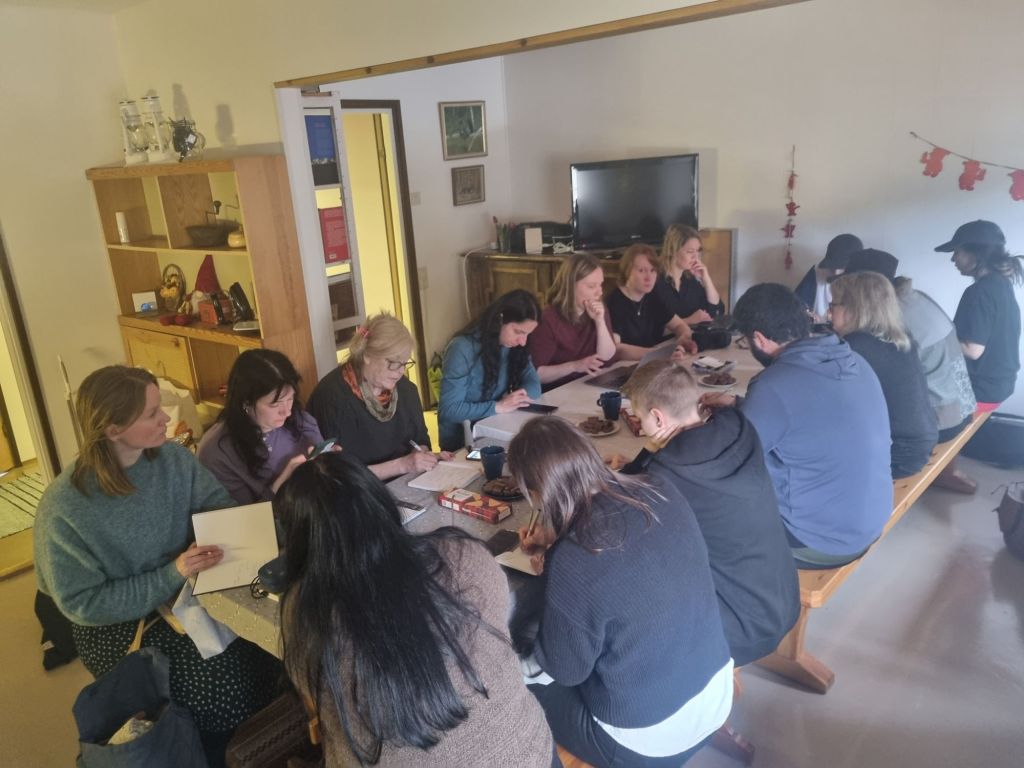
Living in the Landscape (LILA 2024) Methods Summer School at Vuotso, Lapland. Students from across the ASAD network worked on tasks in the landscape focusing on “green energy” across several sites including here at Vuotso, Lapland.
Vuotso Forest CC-BY EalaCreative
Working together for #UWS #EalaCreative Scotland in LILA 2024 Methods Summer School
Tuonela – the realm of the dead – is the setting for the Kavela’s mythic hero Lemminkäinen‘s fate. Read more here about this famous Finnish tone poem by Sibelius The Swan of Tunela.
Tuonela. 1934 by Paul Landacre Born: Columbus, Ohio 1893 Died: Los Angeles, California 1963 wood engraving on paper sheet: 16 5/8 x 10 1/2 in. (42.2 x 26.8 cm) Smithsonian American Art Museum Museum Purchase 1982.95.1. “Tuonela” by americanartmuseum is licensed under CC BY-NC-ND 2.0.
You can read much more on this epic tale as the inspiration for Jean Sibelius, – Finland’s famous music composer – composition – the Lemminkäinen Suite – here.
The Kalevala – Finland’s national ‘story epic’ and work by artist Akseli Gallen-Kallela will be forever entwined.
You can read more about these links between ‘ancient stories’ and ‘modern times’ in an essay by Michael Hunt (2019), for the exhibition The Kalavala – In Other Words.
Elsewhere you can read more about “an alternative Kalavela” and research by Juha Pentikäinen, Professor of Modern Ethography at the University of Lapland. Juha Pentikäinen‘s research includes a focus on the deeper shamanic roots of the Kalavela’s folktales. See also here a discussion on the Kalavela’s philosophy, its story roots as ‘deep knowledge’ and links to folk healing.
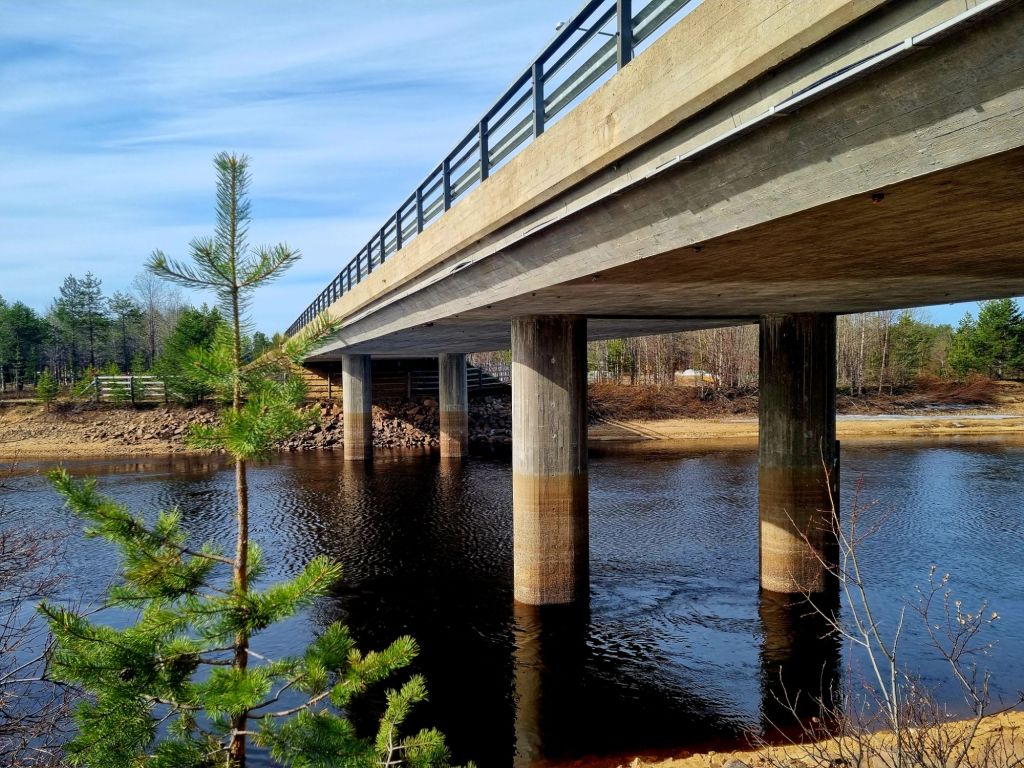
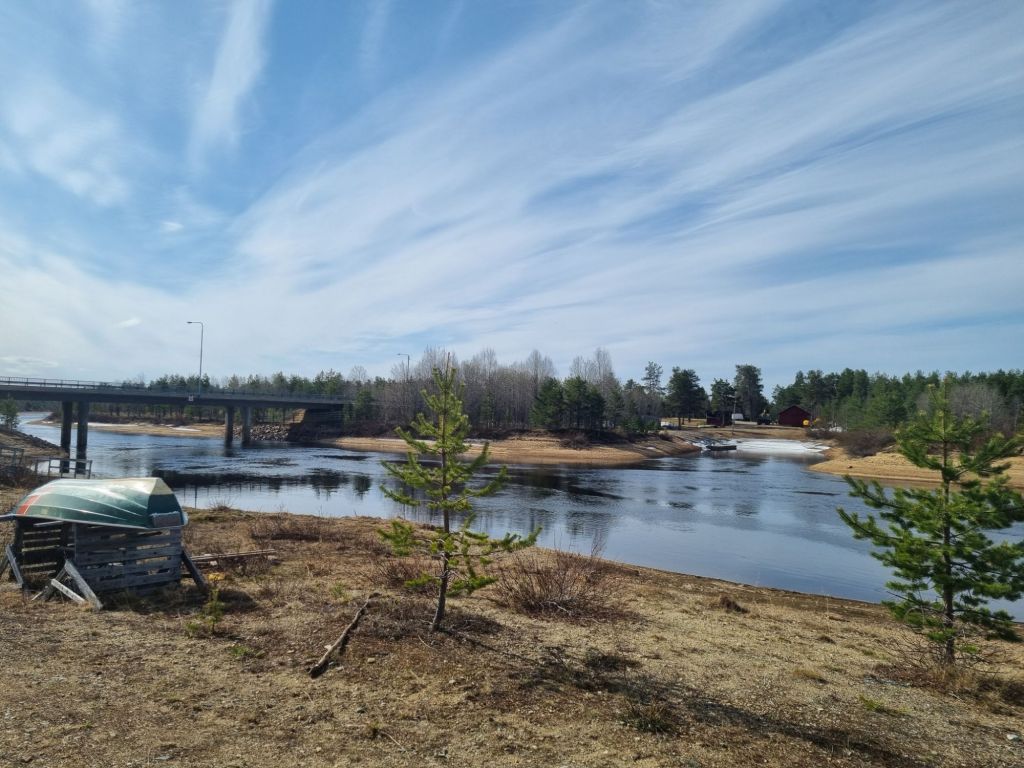
“Tuonela is described as being at the northernmost part of the world but is sectioned apart from the world of the living by a great divide. In the divide flows the dark river of Tuonela. The river is wild, and the dead can be seen trying to swim across it. The dead must cross the river, either by a thread bridge, swimming, or taking a boat piloted by the daughter of Tuoni.[1] The river is guarded by a black swan that sings death spells.” Source https://en.wikipedia.org/wiki/Tuonela
The Finnish word for swan is joutsen. The word derives from jousi, the Finnish word for arrow.
Celtic Swans and Children of Lir in the Cairngorm National Park
Scottish and Irish mythology – a ‘Celtic mythology’ also features swans and here is a link to the famous Finnish story The Swan of Tuonela (and also a mention of the Irish story ‘The Children of Lir‘) as told by “The Irish in Finland”.
Finally, find a storytelling link here to the Scottish links to this folktale of the swan Children of Lir that includes a link to the history of Insh Church (the chapel of the swans) as told by Scottish musician Hamish Napier. The children turned to swans – as it is told here – flew between Ireland and Scotland for nine hundred years before eventually – on being turned back to their human form – they crumble to dust. Find some more information on Insh Church at the Am Baile Highland archive collections site. The church is near Loch Insh in Badenoch, located in the Cairngorm National Park in Scotland’s highlands. Nearby to the church is Insh Marshes a national nature reserve rich with ecology and wildlife as”one of the most important wetland areas in Europe”.



 EalaCreative